Beds · 3 min read
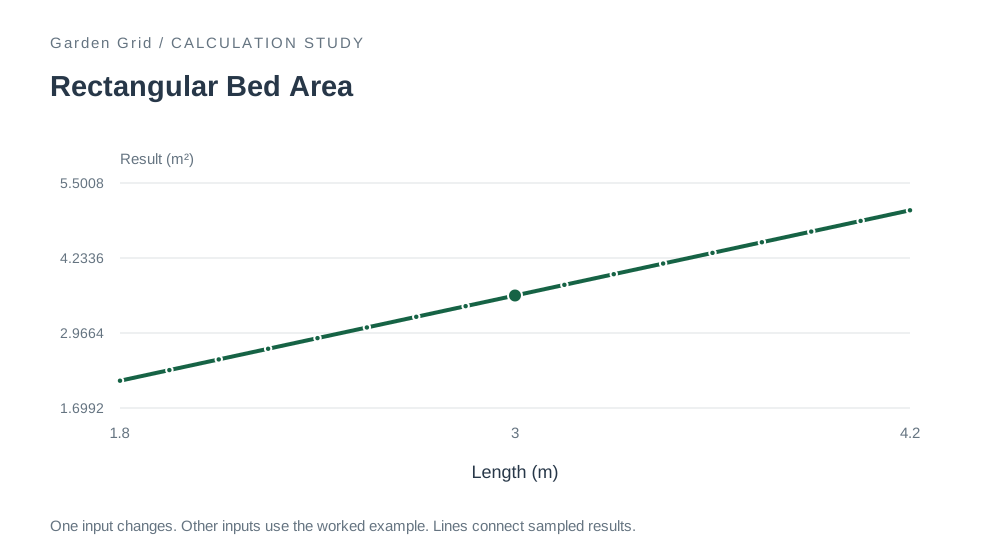
Rectangular Bed Area: the method, worked through
A measured bed area anchors soil, mulch and planting estimates.
Work through the formula, compare a few scenarios and know where the model stops.
A measured bed area anchors soil, mulch and planting estimates.
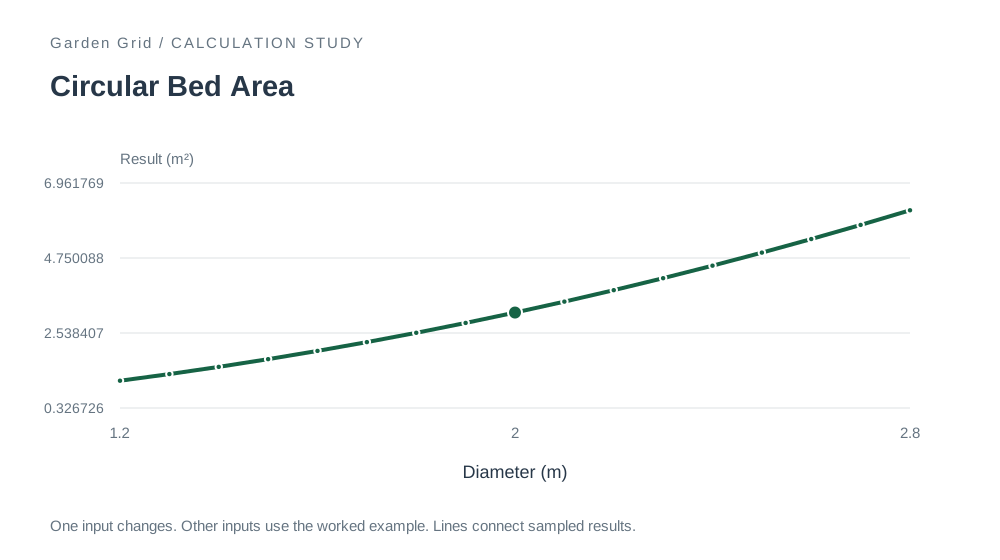
A circular bed's footprint depends on the square of its diameter.
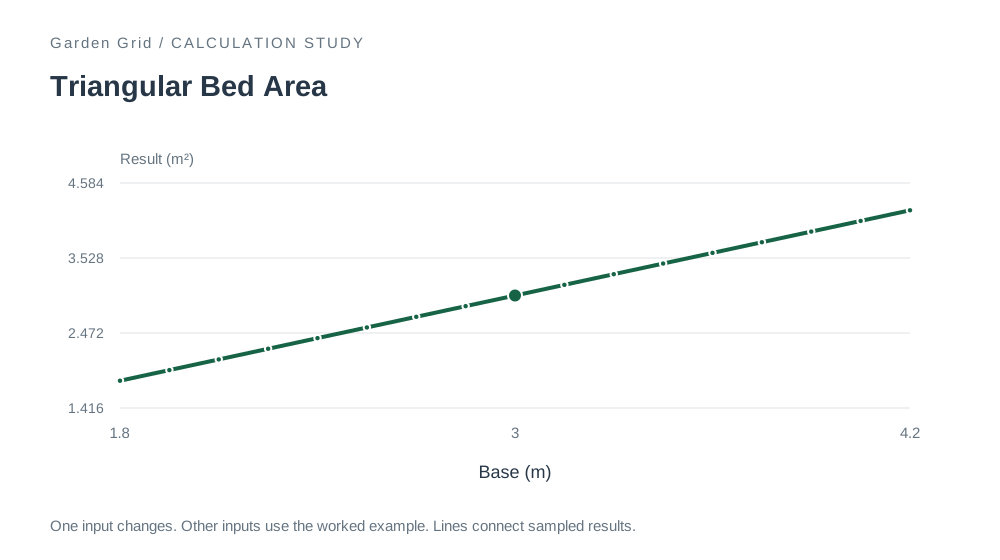
Triangular corners can be included in a garden plan by measuring a base and its perpendicular height.
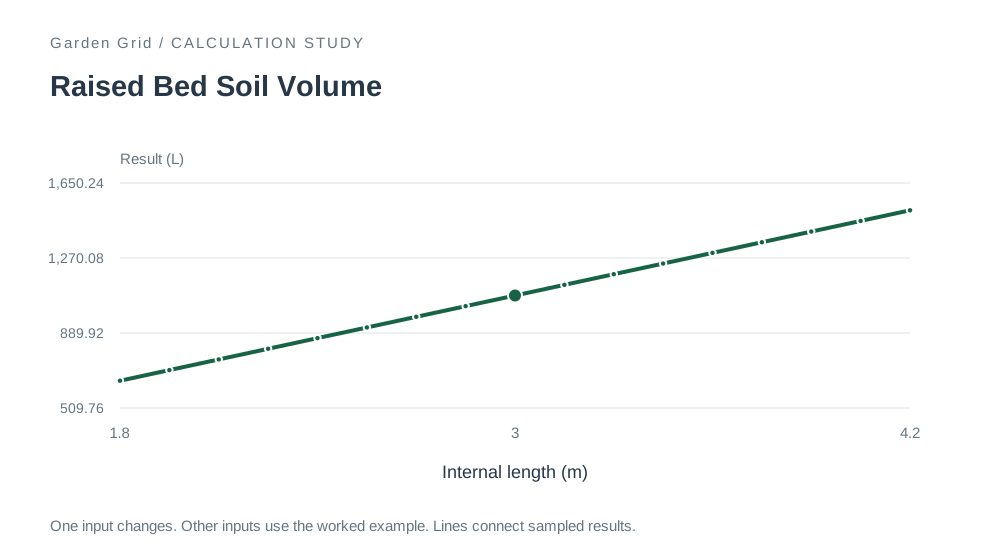
A raised bed behaves like a shallow box for a first soil-volume estimate.
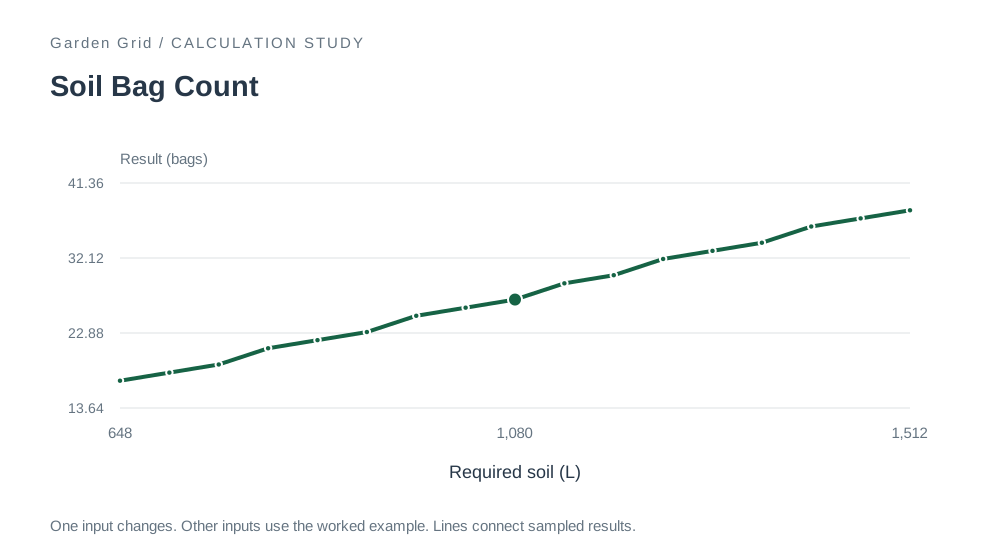
Bag volume translates the planned fill into a whole-bag purchase.
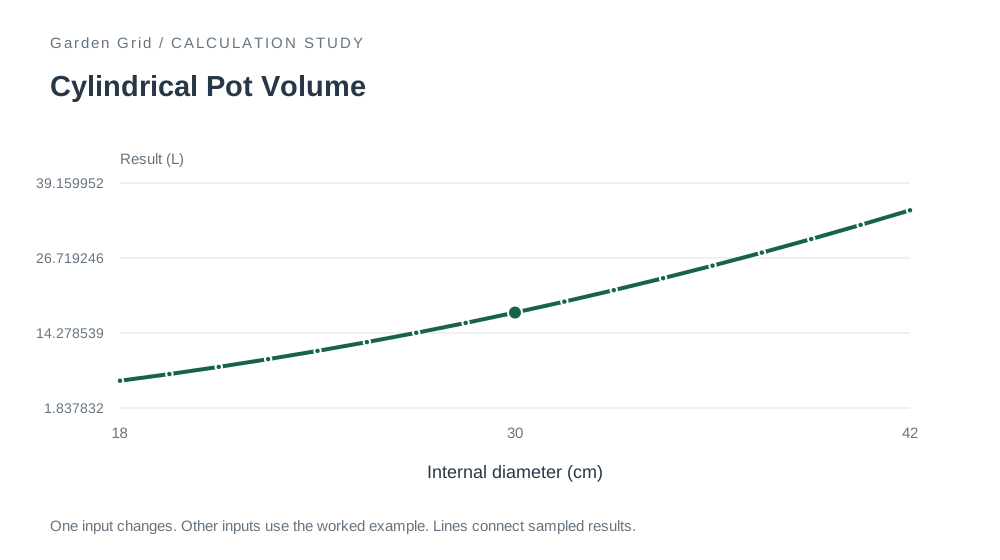
A straight-sided round container can be estimated as a cylinder.
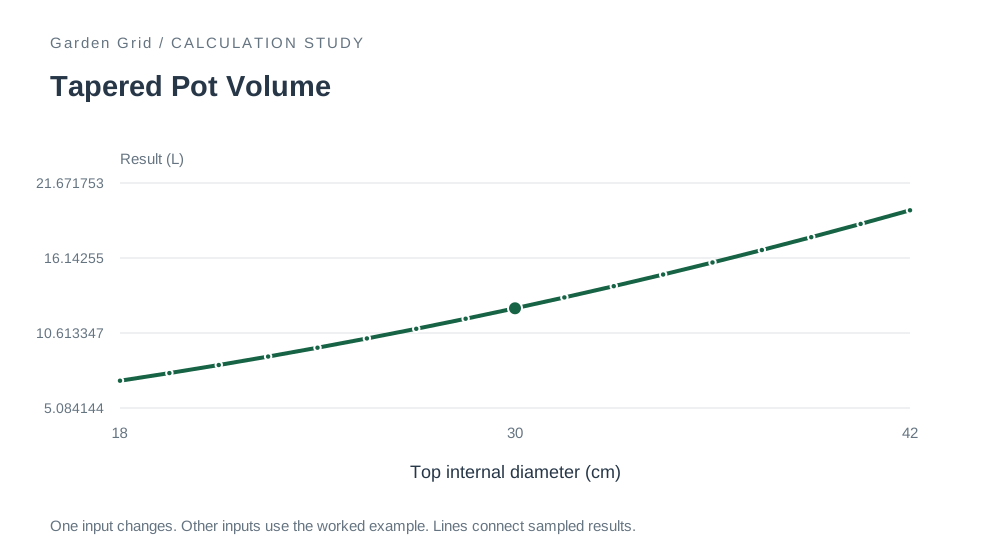
A linearly tapered round pot resembles a conical frustum.
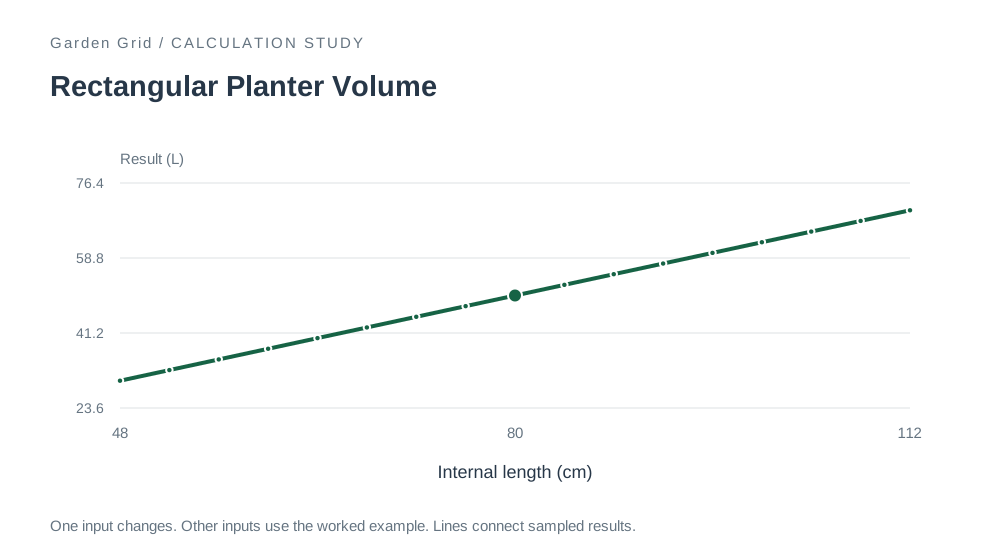
A rectangular planter volume helps estimate how much growing medium to prepare.
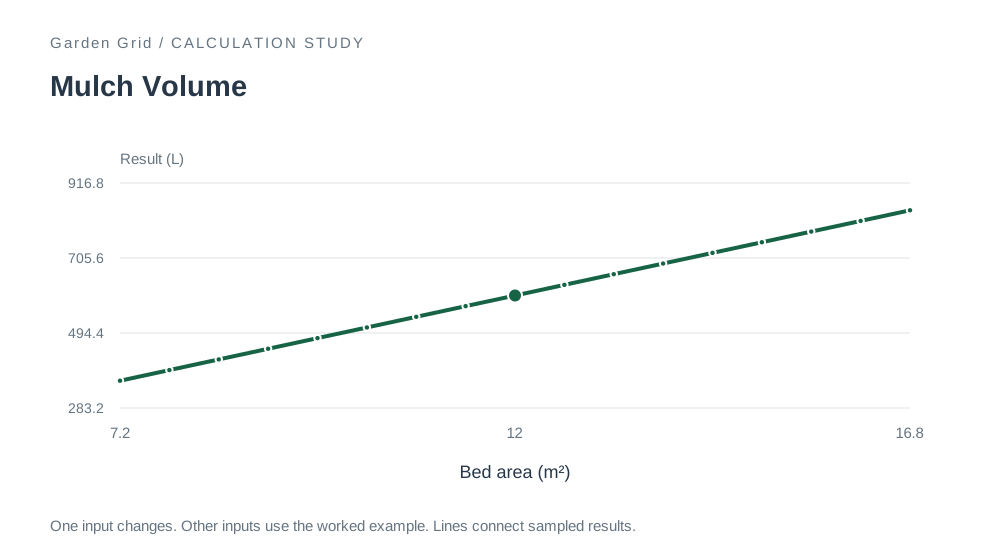
Mulch demand follows the area to cover and the chosen layer depth.
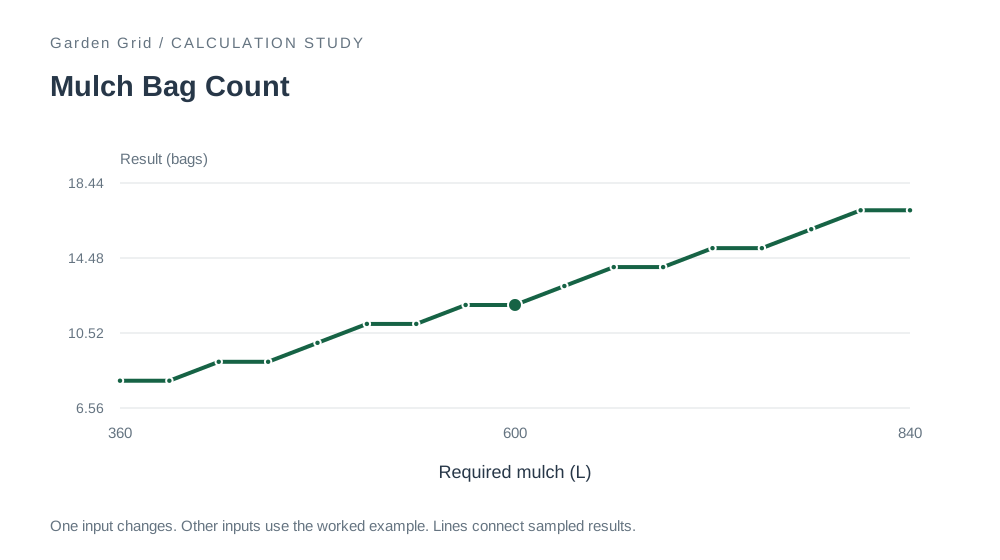
Whole-bag purchasing rounds the volume requirement upward.
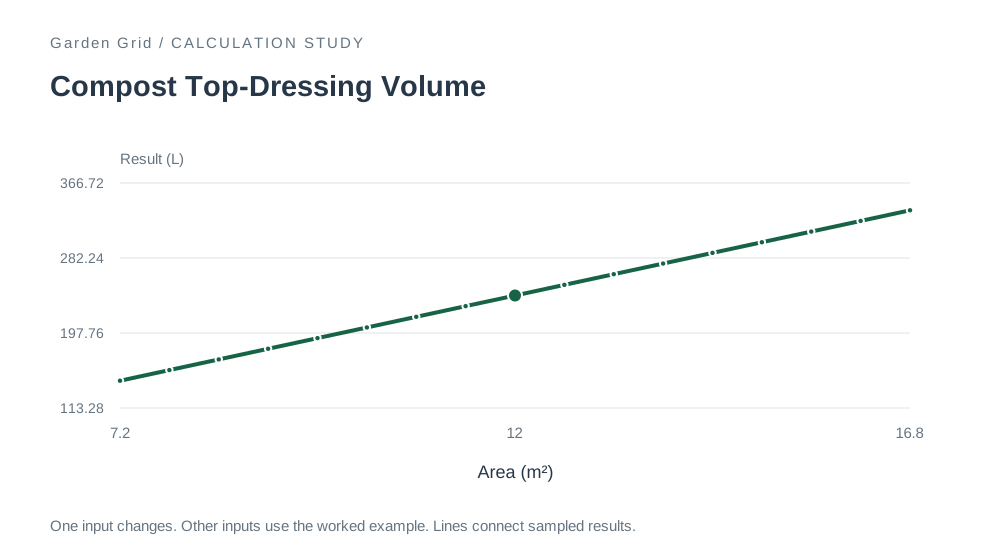
A thin top-dressing can be planned separately from the full bed fill.
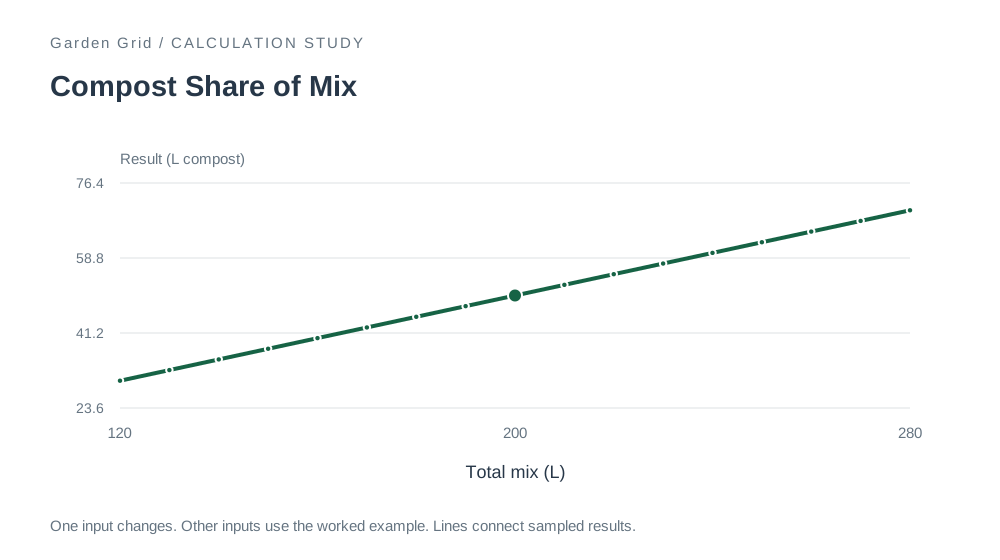
A volume-based mix ratio assigns part of a batch to compost.
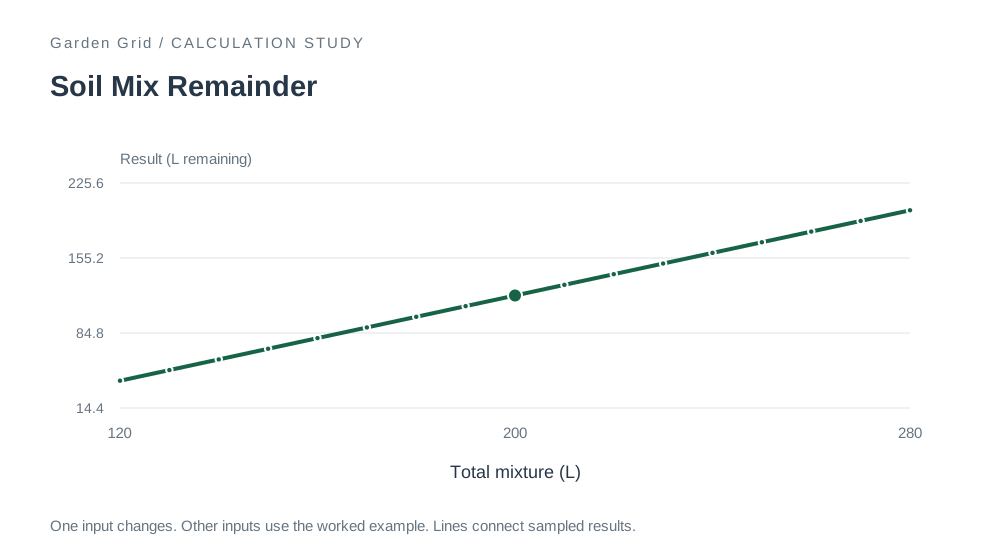
Subtracting known components preserves the target batch volume in a simple additive recipe.
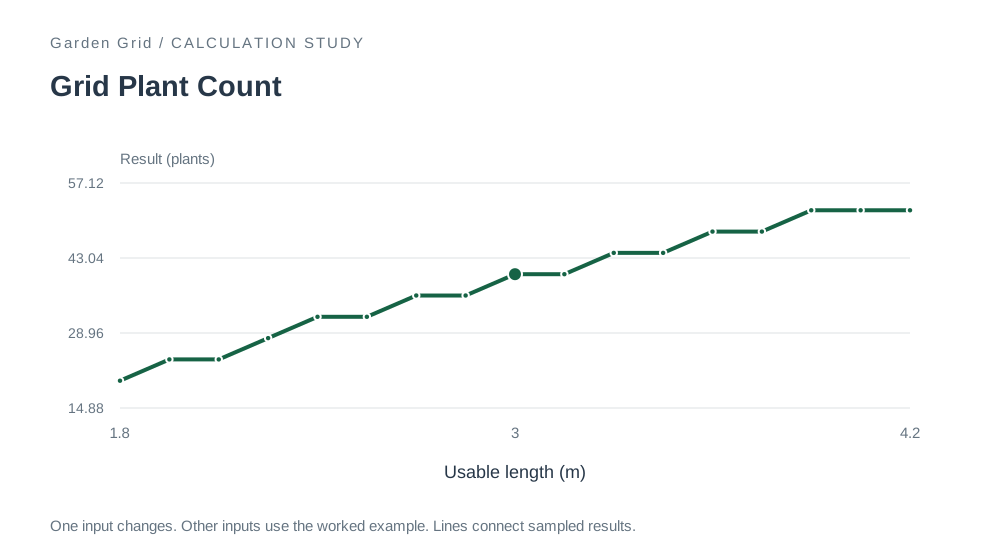
A square grid estimates planting positions by fitting equal spacing cells into a rectangular bed.
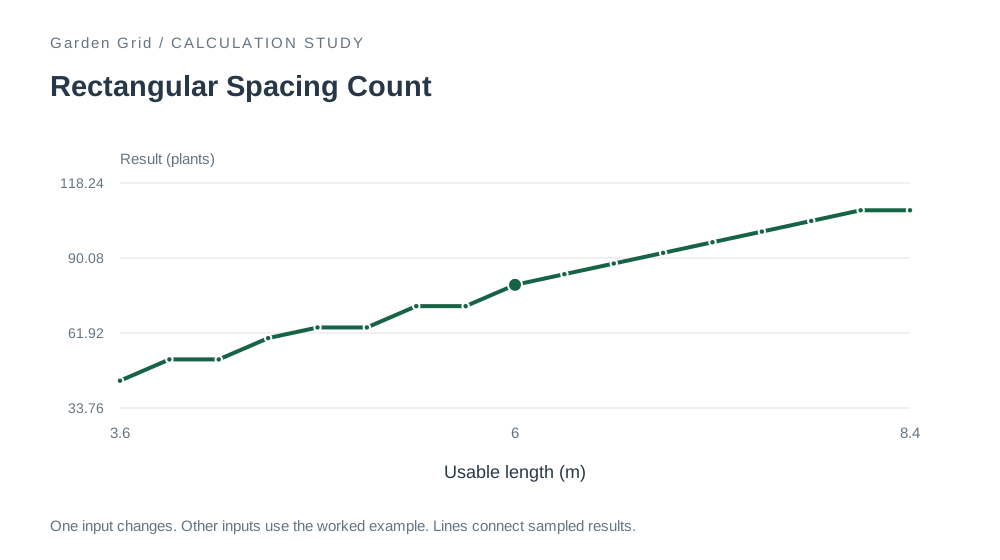
Different in-row and between-row spacing allows a row-based planting estimate.
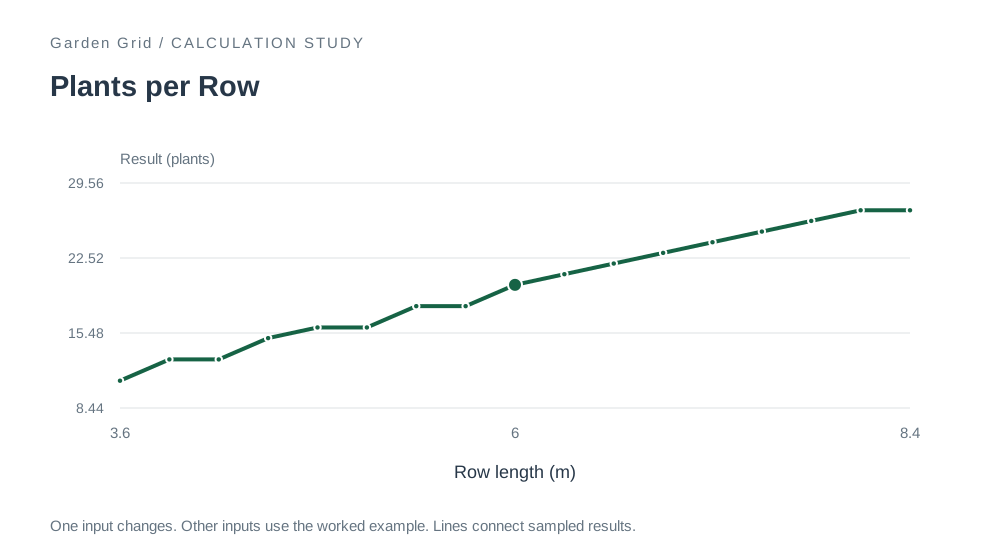
A spacing-cell convention allocates one plant per complete segment along the row.
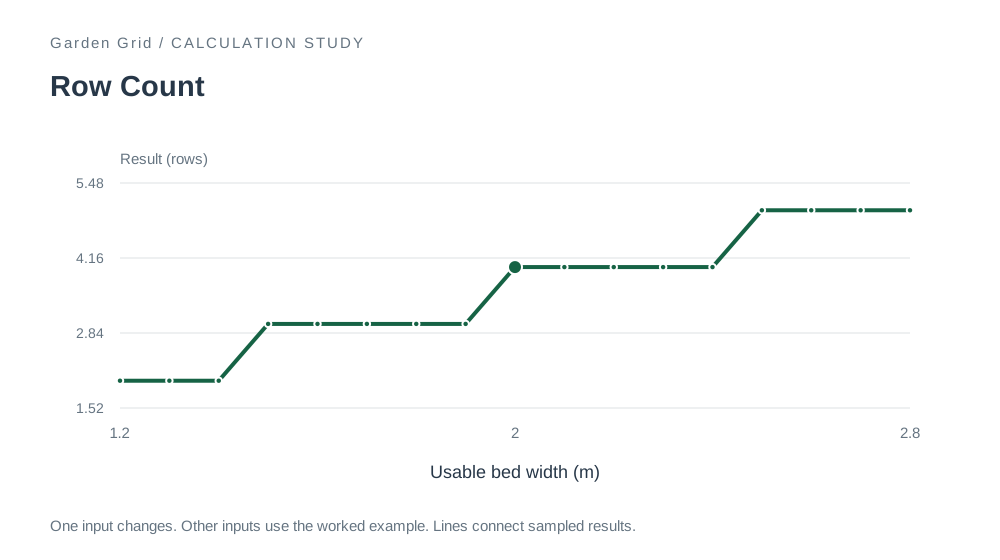
The bed width divided into row-spacing cells gives a consistent row count.
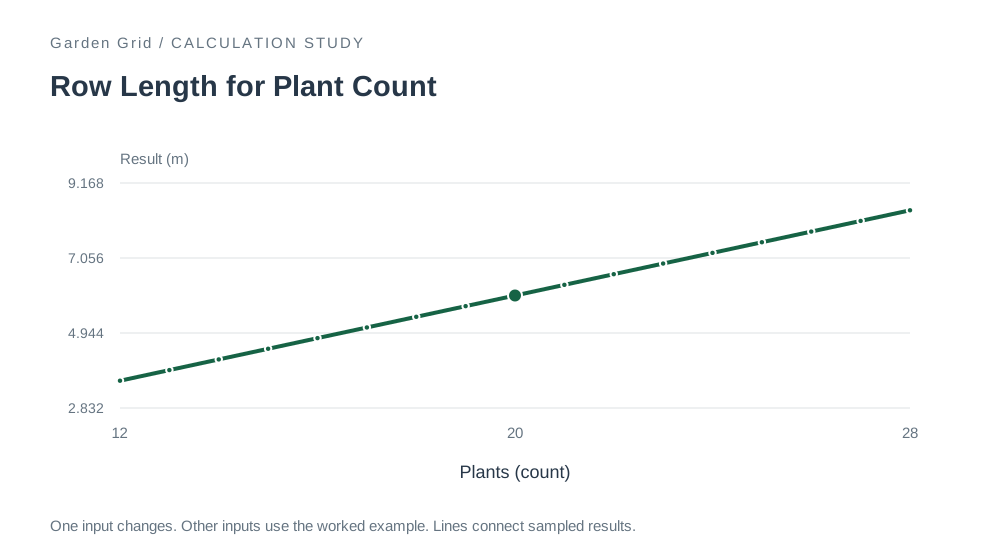
Working backward from plant count estimates row length including two half-spacing edge margins.
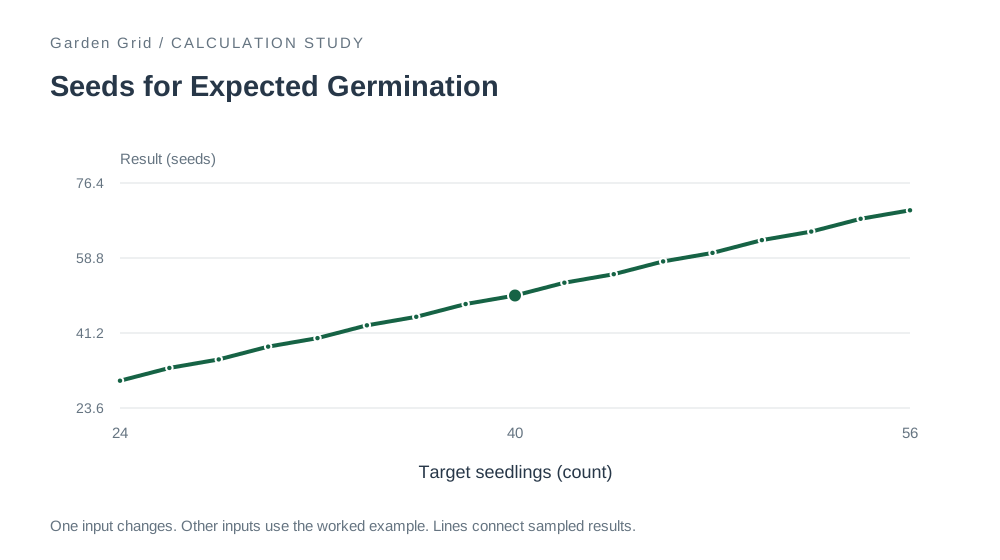
A germination rate converts the desired average seedling count into a sowing estimate.
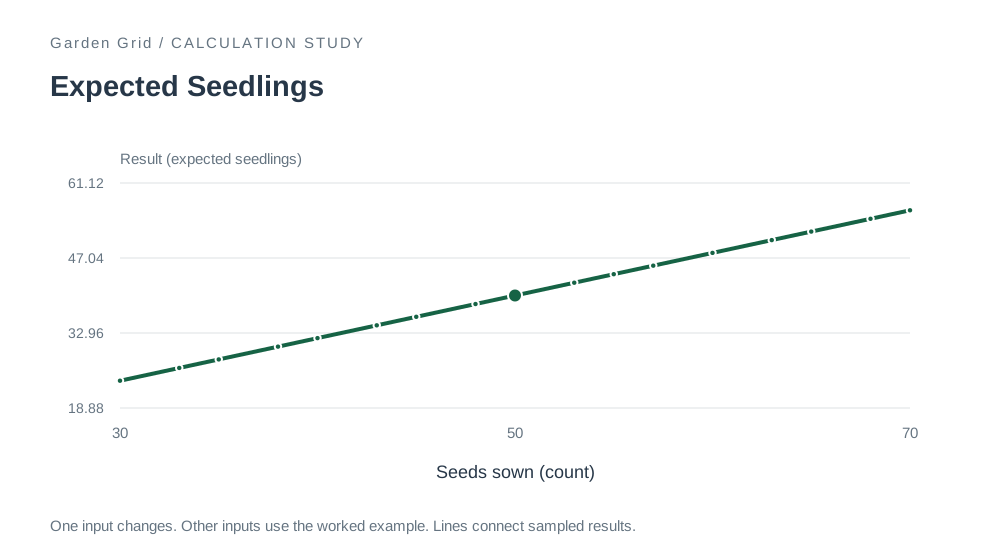
The expected seedling count combines seed number with a germination fraction.
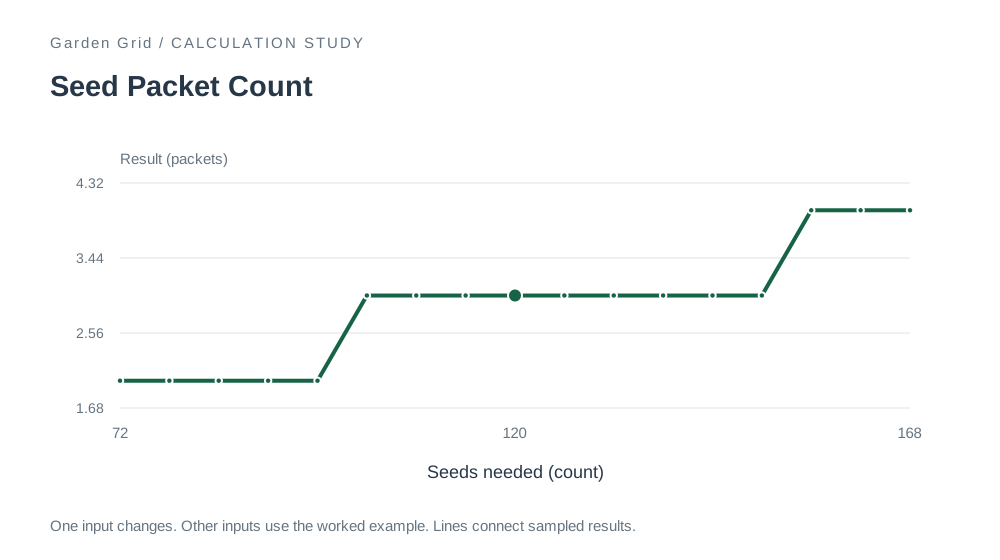
Packet counts turn a seed plan into whole purchase units.
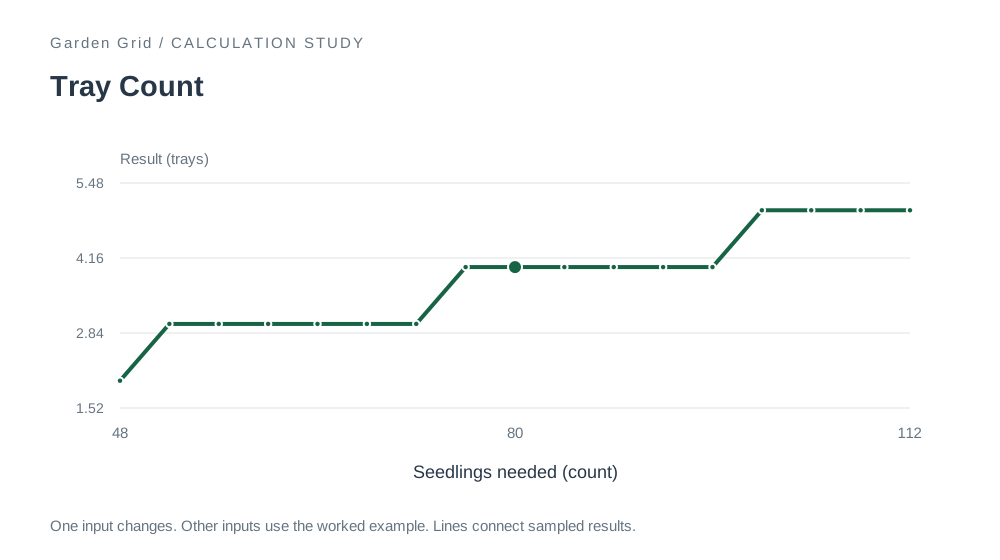
A cell tray plan assigns one target seedling to each available cell.
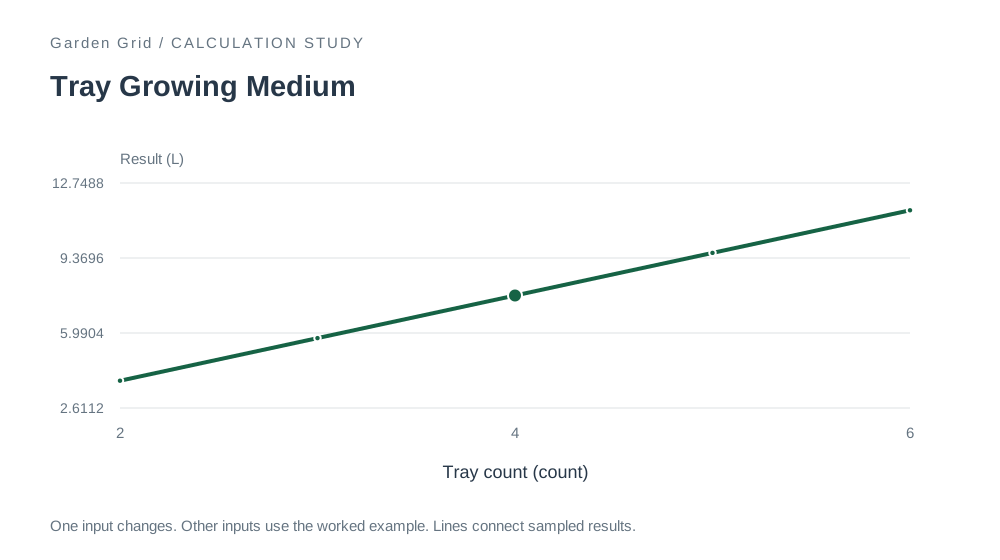
Cell volume and tray count determine the total medium to prepare.
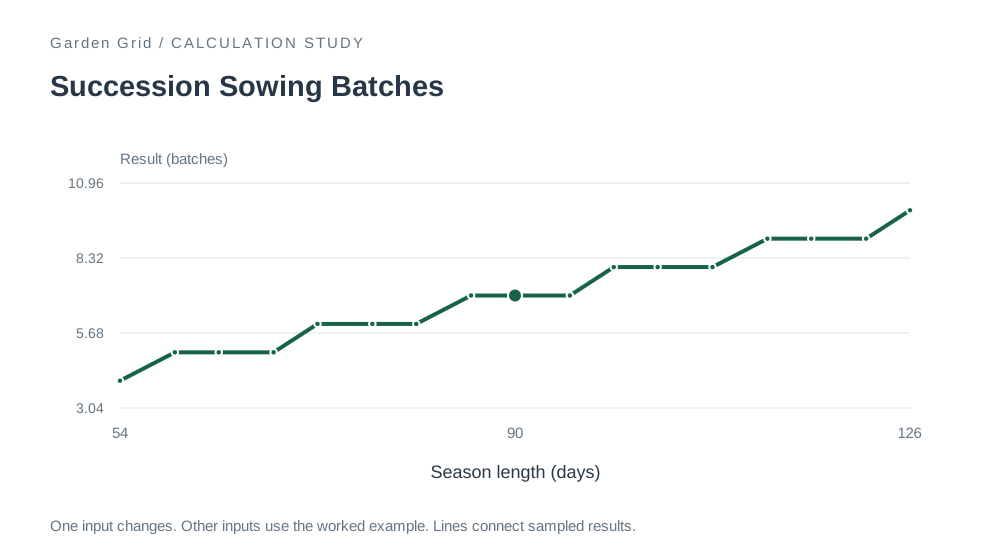
Counting a sowing at day zero and at each full interval gives the number of scheduled batches.
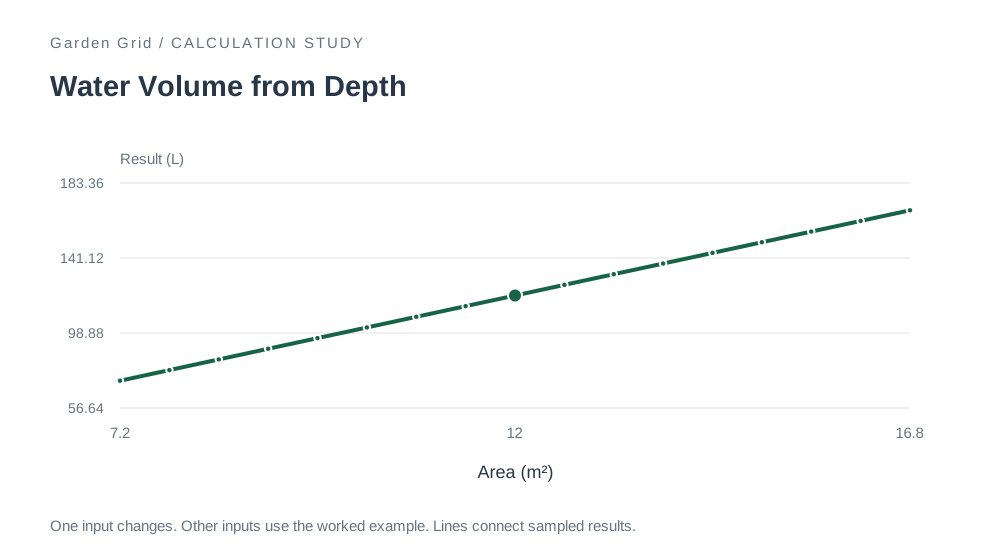
One millimetre spread over one square metre equals one litre, linking irrigation depth and volume.
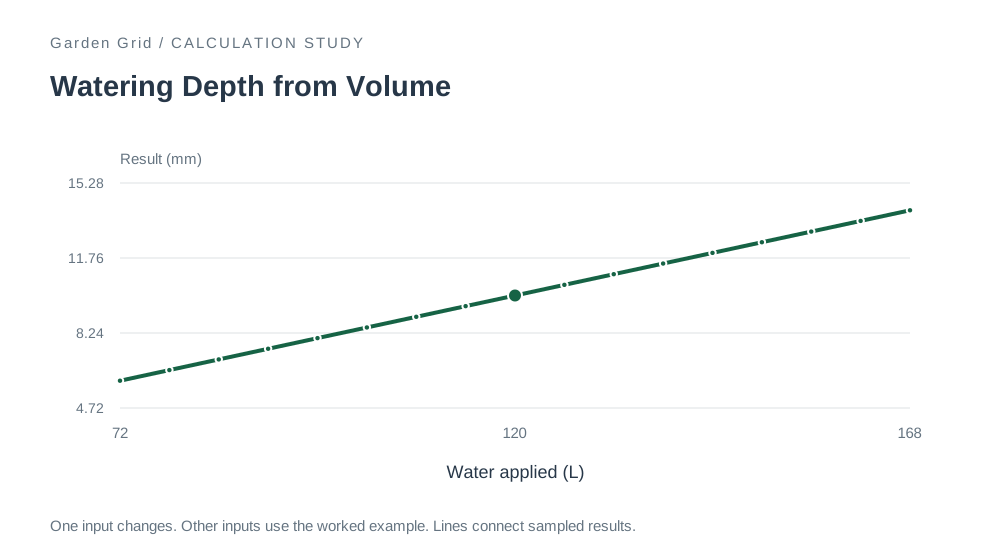
An applied volume can be expressed as an equivalent uniform depth.
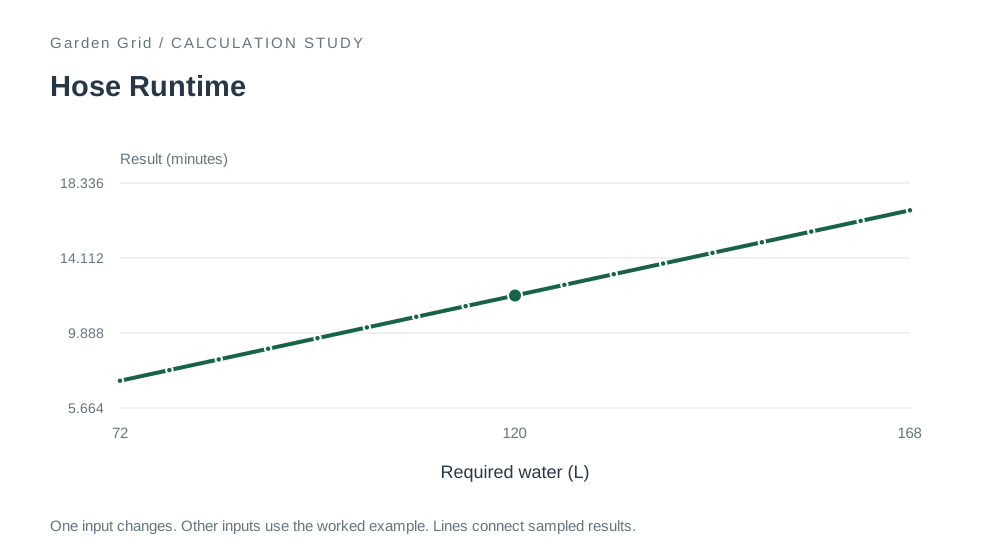
A bucket-tested flow rate translates a water-volume target into hose runtime.
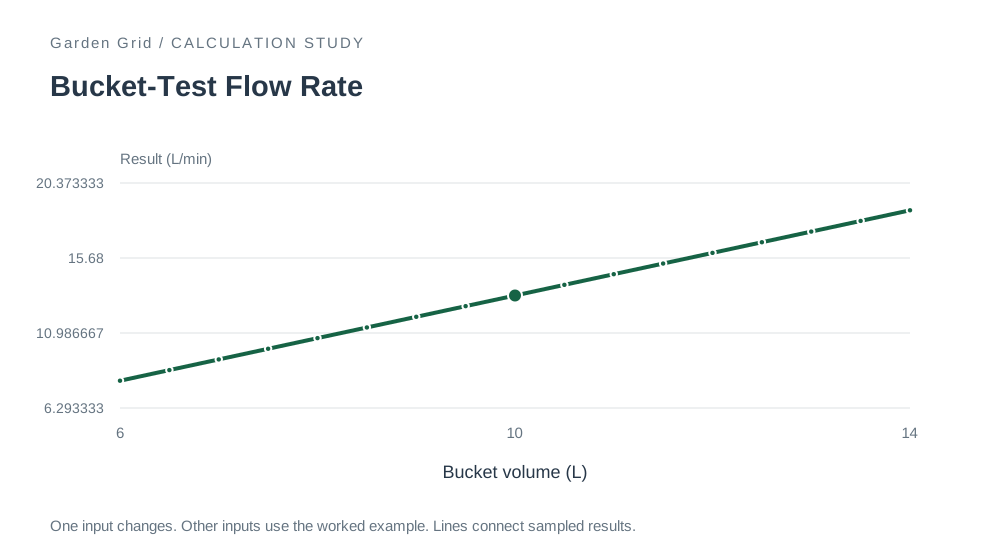
Timing a known bucket volume provides a practical flow measurement.
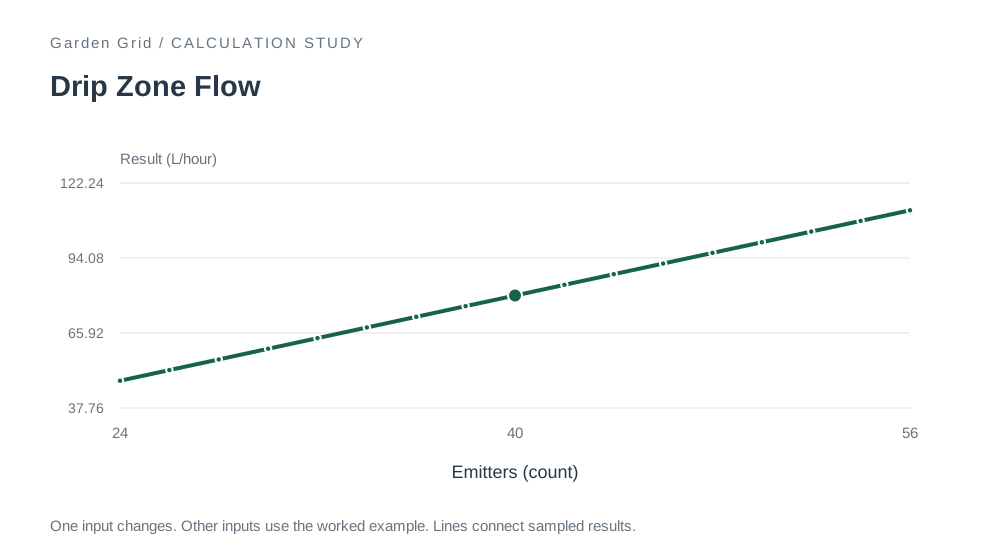
Emitter count and rated flow estimate the demand of a drip zone.
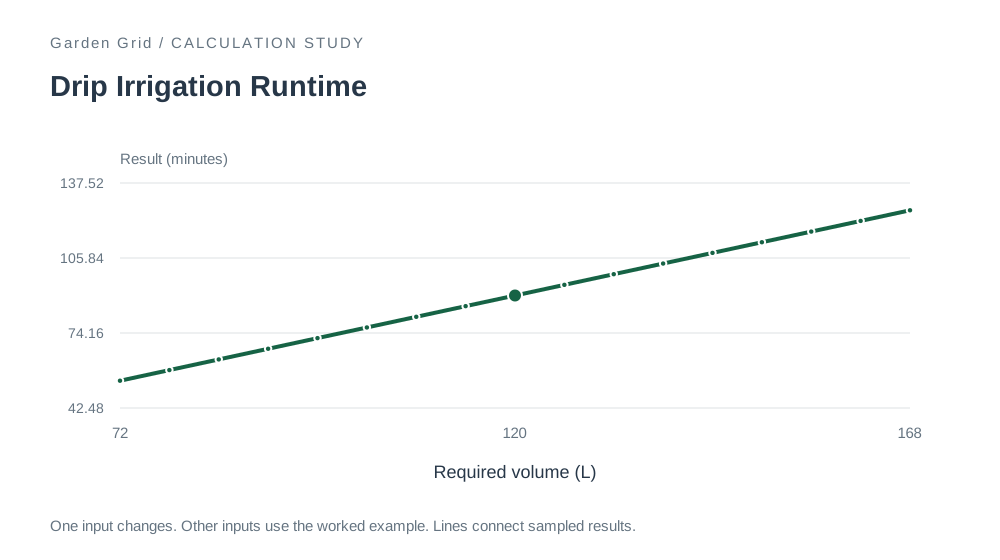
Dividing a volume target by zone flow gives a first runtime estimate.
No matching articles. Try a shorter search or choose all categories.